
Multidisciplinary approach to diagnosis and treatment of brain, spine ...
Read MoreMicroneurosurgery for brain and spine tumours
Shunting for hydrocep...
Read MoreBrain surgeries for hypertensive bleeds,Microneurosurgery for brain an...
Read MoreEndoscopic treatment for pituitary tumours, CSF leak, brain and spine ...
Read More Overview
Complexities of Neurological disorders are overcome in this modern era with the help of ultramodern technologies. Yet, Precise diagnosis and accurate surgery are indispensable for complete cure and healing. The department of Neurosurgery at AMALA IMS is well-equipped with state-of-the-art technology, supervised by dexterous senior neurosurgical specialists, who are cognoscente in Cerebrovascular, Neurodegenerative, and Demyelinating surgeries.
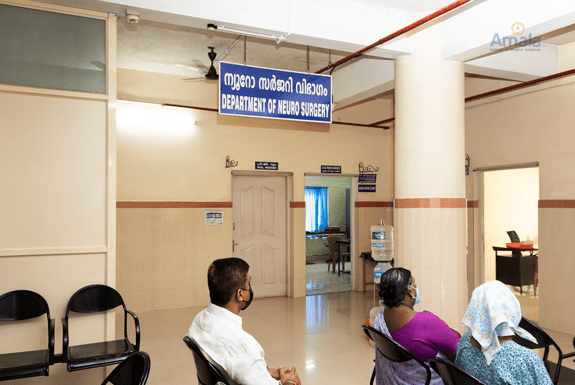
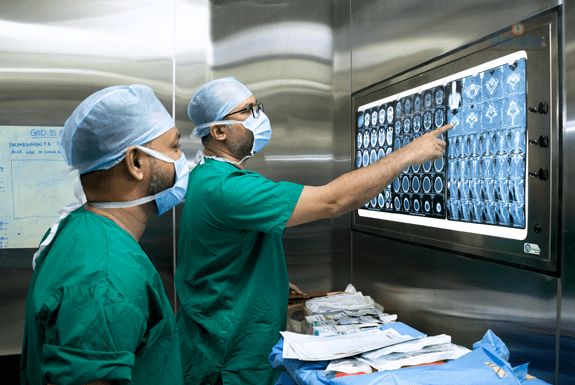
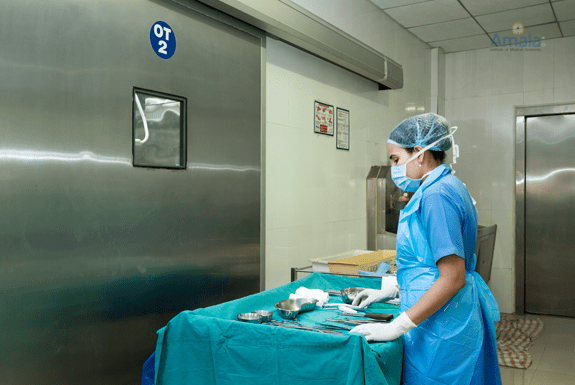
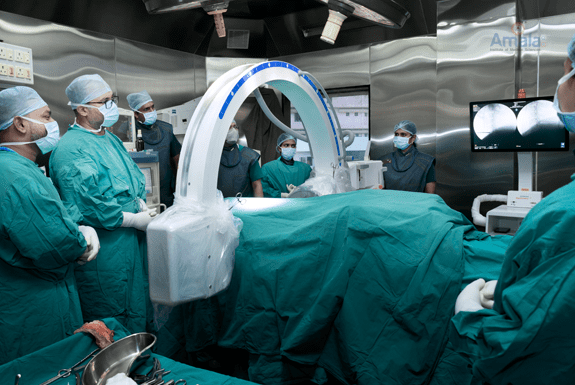
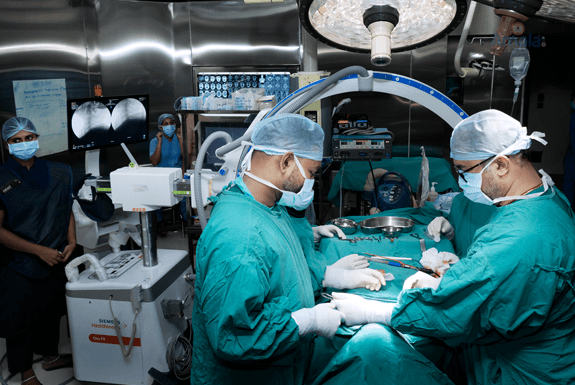
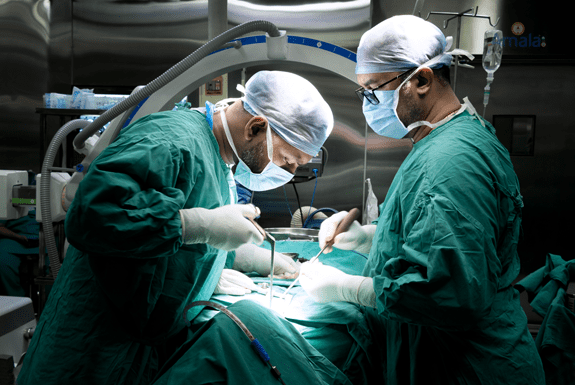
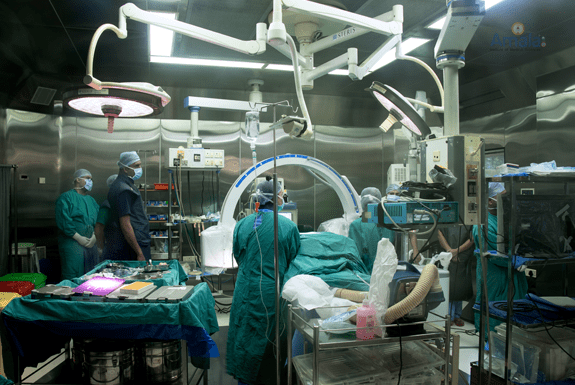
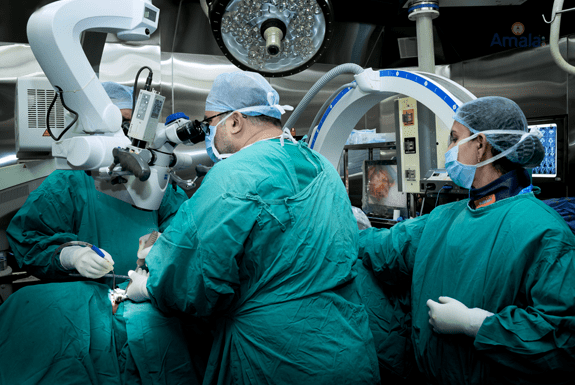
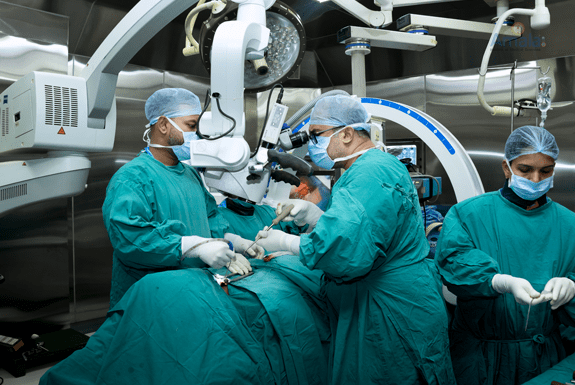
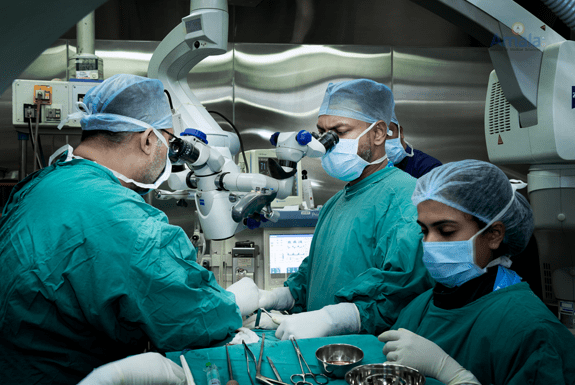
Multidisciplinary approach to diagnosis and treatment of brain, spine and peripheral nerve disorders
State-of-the-art diagnosis and care of brain and spine injury patients
Dedicated neurocritical care facilitities for critically ill neurological patients
Microneurosurgery for brain and spine tumours
Shunting for hydrocephalus
Treatment of spinal disc diseases- Laminectomy/ Discectomy
Fixation procedures for spine
Decompressivecraniectomy, Craniotomy, Cranioplasty surgeries
Surgeries for depressed fracture elevation
Brain surgeries for hypertensive bleeds,Microneurosurgery for brain aneurysms and AVMs
Endoscopic treatment for pituitary tumours, CSF leak, brain and spine disorders,Shunting/endoscopic procedures for Hydrocephalus
Pediatric head injury and tumour surgeries,Craniosynostosis
Nerve release surgeries,Perineural analgesia
A neurosurgeon treats structural, mechanical or traumatic conditions involving the brain, spine, spinal cord, and certain nerves when an operation may be needed. At a neurology hospital in Thrissur like AIMS, patients with complex neurological conditions may be referred for a neurosurgical opinion.
Brain surgery would be needed when a condition affecting the nervous system cannot be treated with just medications, poses a threat to life, or impacts the quality of life. It may be recommended for certain tumours, bleeding, injuries, or conditions that put pressure on important parts of the brain. The decision is completely dependant upon the diagnosis and whether the success outweighs the risks.
Yes. Neurosurgeons can absolutely treat spinal disc problems, especially when the displaced disc presses on nearby spinal nerves or the spinal cord. An operation isn’t the first option as many slipped discs can improve with right non-surgical treatments.
No, the medical team evaluates the characteristics of the tumour before choosing an operation. Neurosurgeons choose to monitor some tumours, while others are treated with surgery, radiation, medicines or a combination of methods. The approach basically depends on the tumour type, its location and behaviour.
It should be taken seriously when a backpain is accompanied by clinical warning signs called “red flags”. Most back pains are the result of minor muscle strains but certain symptoms like weakness, numbness, or difficulty in walking needs immediate medical attention and should be taken seriously.
MRI and CT scans are commonly used to understand the location and extent of the problem. Your surgeon may also recommend blood tests or other investigations to plan treatment safely. Visit a well-established neurology hospital in Thrissur like Amala to take the right steps before your neurosurgery.
Yes, mainly after spine surgery or operations in relation to movement and coordination. Physical rehabilitation helps retrain your nervous system, rebuild muscle groups, restore balance, and manage stiffness. The recovery programme depends on the type of surgery and the patient’s condition.

