Overview
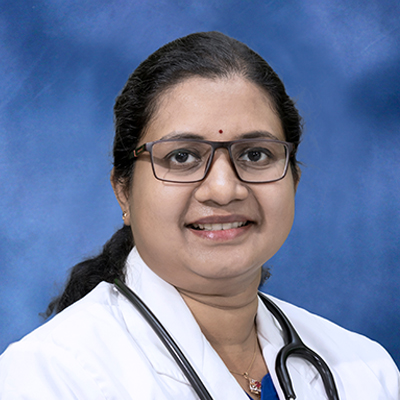
The Infectious Diseases department at Amala Institute of Medical Sciences, Thrissur is one among the few dedicated Infectious Diseases departments in the entire country and the only one in the private sector in Thrissur. The department is constituted by a qualified specialist in Infectious Diseases, and a dedicated team of Clinical Pharmacists dealing with antimicrobial stewardship and a hospital infection control division. The department serves as a strong pillar to support and guide other departments to deal with a variety of infections, most notably hospital-acquired multidrug-resistant infections, transplant-related infections and infections in cancer patients. It also deals with difficult to diagnose and treat extra pulmonary tuberculosis, tropical infections and gives comprehensive care for HIV patients. The department also gives expert opinion on adult immunization and is involved in the prevention and management of travel related illness.
Antimicrobial stewardship team aims to optimize the use of antimicrobials, improve patient clinical outcomes, delay antimicrobial resistance and reduce the transmission of health-care-associated infections, and overall decrease the healthcare costs.
The Hospital Infection Control Committee (HICC) is a multidisciplinary committee which monitors infection control activities and aims at patient safety. It includes Infectious diseases physicians, microbiologists, and infection control nurses who are trained in infection control and prevention. The HICC ensures to decrease the rates of hospital-acquired infections at our institute in accordance with the international standards. The routine audits and feedbacks done by the HICC aids in the prevention and control of community and hospital outbreaks.
OPD services are meant for evaluation of referred patients from other departments and hospitals who have difficult to diagnose and/treat infections, fever of unknown origin, long term management of HIV, etc
In patient care is for patients with highly contagious infections who require isolation, airborne and droplet precautions
Consultations involve expert opinion to other departments to deal with infections with diagnostic and therapeutic challenges especially nosocomial infections
Antimicrobial stewardship rounds are conducted on regular basis in the various ICUs and wards to tackle challenge of antimicrobial resistance
Adult immunization aims at providing expert opinion regarding immunization in patients with comorbid diseases, immunocompromised states, prior to biological therapy and international travel
The Infectious Diseases Department at AIMS deals with infections caused by bacteria, viruses, fungi, and other microorganisms. You should seek the help of a specialist when the infection is hard to diagnose, keeps coming back or isn’t responding to usual treatment.
If you've had a prolonged fever, repeated infections, or an illness that hasn't improved despite treatment, your doctor may refer you to an infectious disease specialist in Thrissur for further investigation.
No. Antibiotics treat bacterial infections, not viral illnesses such as the common cold. It will cause unnecessary side effects and antibiotic resistance if you take antibiotics when they are not needed. A viral infection specialist Thrissur can help you in making this judgement.
One of the primary reasons is because their initial symptoms might overlap or be similar with a common illness. The doctors need blood cultures, imaging or other laboratory tests to identify the illness and decide on an efficient treatment plan.
When bacteria become harder to treat with medicines that worked on it in the past is what antibiotic resistance is. This can make the management of the infection hard and using antibiotics responsible is one of the ways to reduce this problem.
They have the potential to be. Diabetes when the blood sugar is poorly controlled, make healing more difficult and elevate the risk of some infections. Good glucose management and early treatment are vital for this.
Severe weakness, confusion, difficulty breathing, and rapidly worsening symptoms can indicate a serious infection. If someone appears extremely unwell, seek emergency medical care at an infection treatment hospital in Thrissur, rather than waiting for the illness to improve.