A dedicated, qualified blood centre counsellor, who creates awareness ...
Read MoreAmala Blood Centre has facilities which provides a safe, hygienic bloo...
Read MoreA “mobile blood donation on wheel”, which provides a different experie...
Read More Overview
Transfusion medicine (TM) is a field of medicine dealing with the removal and/or transfusion of blood or blood components. Traditionally, TM has been thought of as just blood collection, pretransfusion testing, and blood administration. The blood bank community goes to great lengths to ensure that blood component transfusions are safe and achieve the desired outcome. However, modern TM is so much more than blood banking. The future of TM lies in cellular therapies: the collection, processing, and infusion of bone marrow, peripheral blood stem cells, cord blood, peripheral blood mononuclear cells, and chimeric antigen receptor T cells (CAR-T cells). This chapter provides images and tables to provide insight into the exciting field of TM and cellular therapy.
Apheresis is a lead in the department of transfusion medicine.It is a technique in which whole blood is taken and separated extracorporealy, separating the portion desired from the remaining blood.Apheresis technique can be used for donation and as well as for therapeutic purposes.
Donations - Plateletpheresis, Plasmapheresis, Granulocytaphereis, Stem cell apheresis
Therapeutic indication- Therapeutic Plasma Exchange (TPE), Erythrocytapheresis, Thrombocytapheresis, Leukacytapheresis, Cascade Plasmapheresis, Immuno-adsorption, Lipid apheresis- LP, Photopheresis -ECP, Rheopheresis
Also the latest techniques of cryopreservation, ROTEM, Massive Transfusion Protocol and management and latest immunohematological investigations provides light to the advanced technologies in the clinical management of patients.
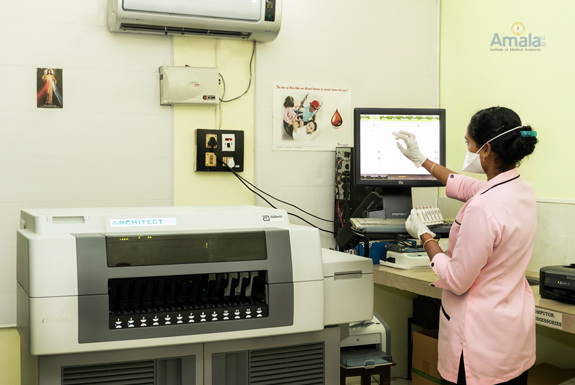
Serological screening of donated blood for Transfusion Transmittable Infections ( TTIs) namely- HIV,HBV,HCV,Syphilis& Malaria
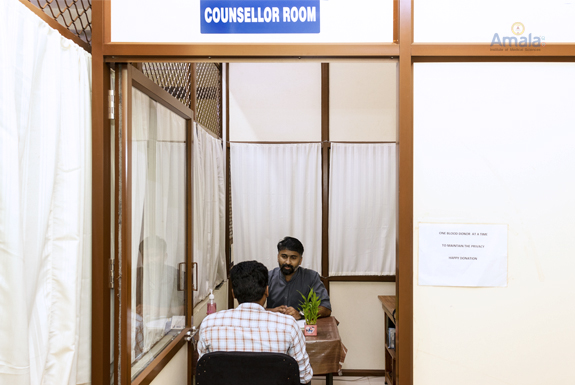
A “ talking cure” where the blood bank counsellor share the relevant information and give the power to make good, informed decisions and resolve the queries regarding blood donation
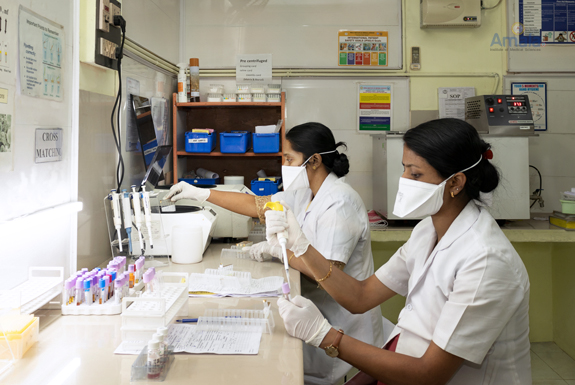
A place where routine red blood cell antibody identification, red blood cell antigen typing and cross matching are performed using standard techniques.
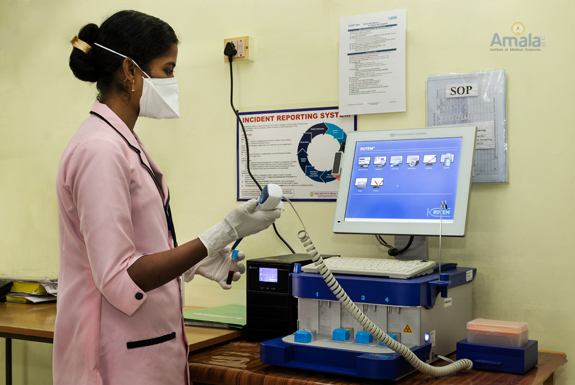
ROTEM is a method of measuring hemostasis quality via the viscoelastic properties of a blood clot and is designed for patient blood management.
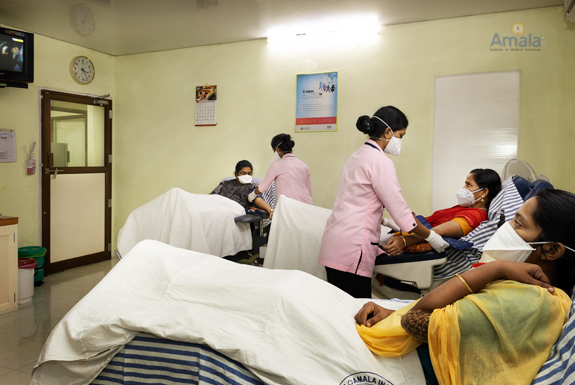
A comfortable, safe and pleasant experience providing area where the donors can peacefully donate blood
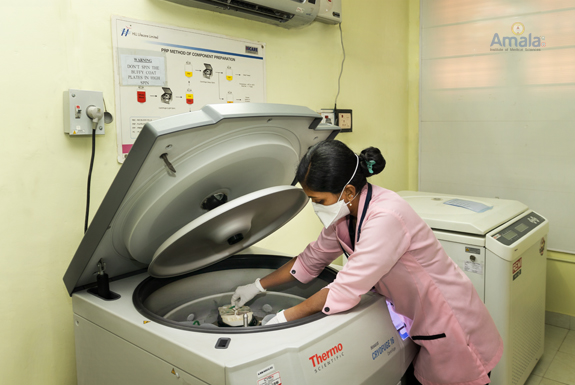
A technique by which donated blood is processed by centrifugation and separated into different component in sterile pyrogen free disposable bags and solutions.
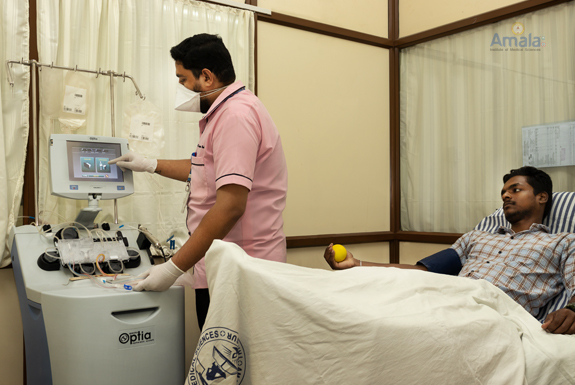
Apheresis devices are continuous systems that remove blood from a donor, separate the blood into the desired components and return the remaining blood back to the donor.
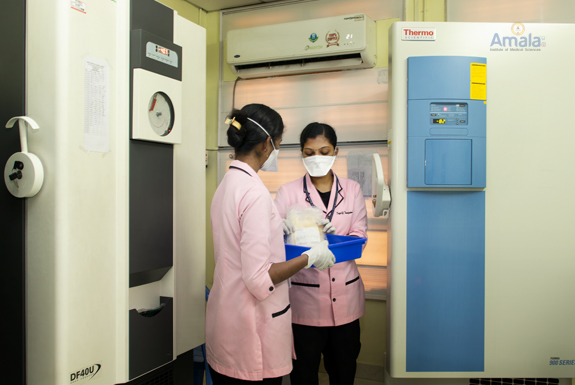
An area where blood and its components are stored and preserved in their ambient conditions during their shelf life ,for later use in blood transfusion.
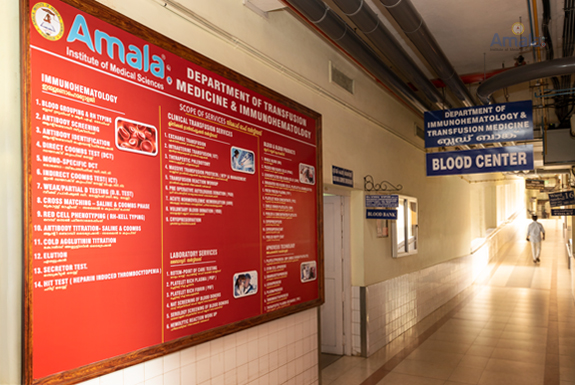
‘Experience the art of saving lives by blood’
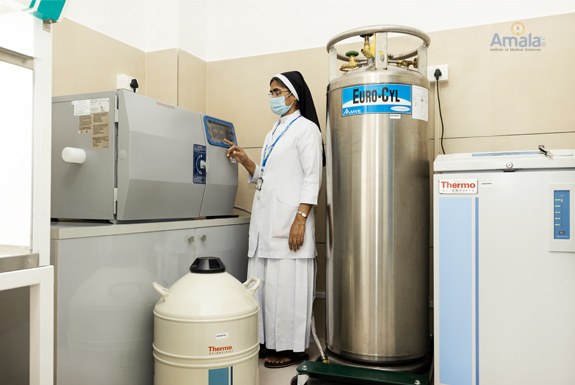
Cryopreservation is a process that preserves organelles, cells, tissues, or any other biological constructs by cooling the samples to very low temperatures.
Experience the art of saving life by blood, from a full day functional Amala Blood Centre.
A dedicated, qualified blood centre counsellor, who creates awareness among blood donors about the pre and post donation procedures. Also enlightens the donors about the Transfusion Transmittable Infections.
Amala Blood Centre has facilities which provides a safe, hygienic blood donation enviornment- both inhouse and at outside hospital blood donation camps.
A “mobile blood donation on wheel”, which provides a different experience of blood donation
The Transfusion Medicine Department helps ensure that patients receive appropriate blood and blood components when needed. Its work includes blood grouping, compatibility testing, donor screening, and supporting safe transfusion practices.
Immunohematology is the study of blood groups and the immune reactions that can occur during blood transfusion. Professionals identify compatible blood and reduce the transfusion-related complication within an immunohematology laboratory.
A blood transfusion is needed when a body lacks a critical volume of blood or specific blood components to function properly. It is also needed after significant blood loss, during certain surgeries, or for medical conditions that affect blood cells etc. Before recommending one a blood transfusion centre in Thrissur like Amala Hospital will consider the patient’s symptoms and test results.
Crossmatching helps check whether donor blood is compatible with the patient's blood. It's an important safety step that reduces the likelihood of serious transfusion reactions.
No, being “healthy” is not the only requirement for donating blood. Not everyone is eligible at every point, factors such as age, weight, haemoglobin level, medical history, and recent illness can affect the eligibility. A blood donation centre will assess these before accepting a donation.
No medical procedure is entirely without risk, but blood transfusions follow established safety procedures. Blood is screened and checked for compatibility, and patients are monitored for possible reactions.
Hospitals need a dependable blood supply for emergencies, surgeries, and patients with certain medical conditions. If you're planning to donate at a blood donation centre in Thrissur, check the eligibility requirements and donation timings before visiting.